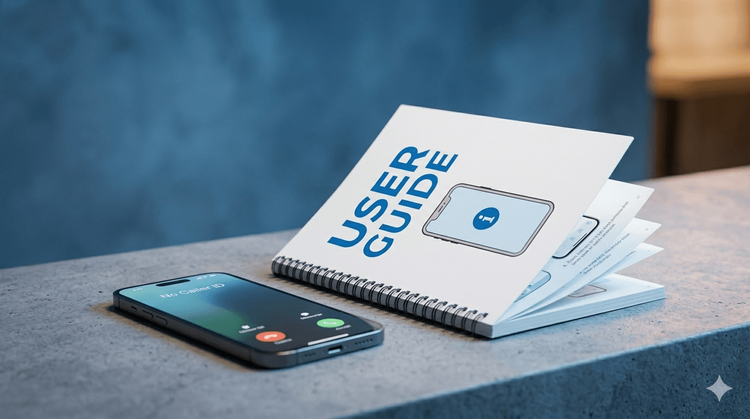
Common Phone Call Phrases and What They Actually Mean
The unwritten script behind every phone call and what people really mean

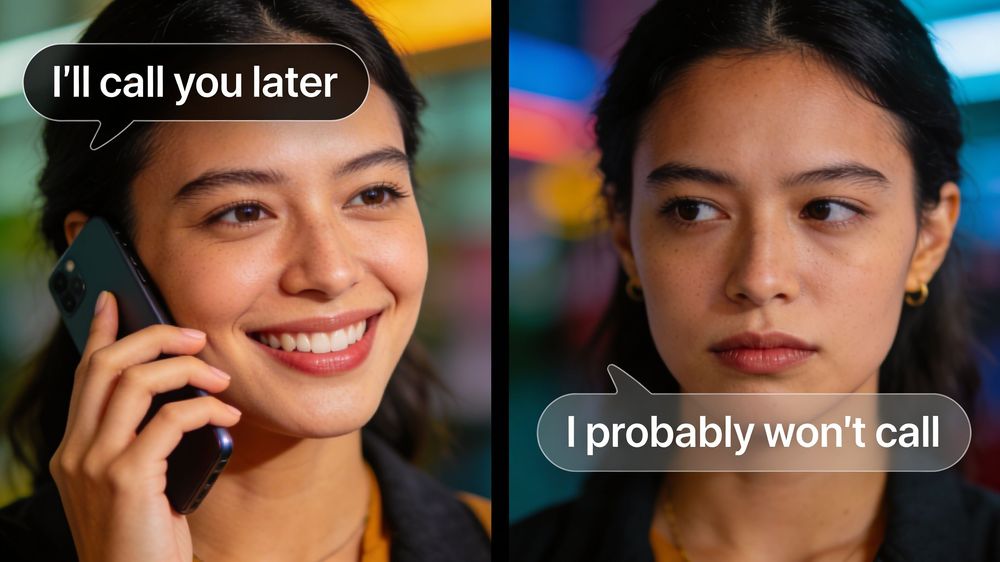
Common Phone Call Phrases and What They Actually Mean
Let's be honest. Phones have their own language. Not the kind you learn in school — but the kind that quietly evolves over years of awkward calls, corporate hold music, and "just saw this!" texts sent three days later.
It's a dialect of polite half-truths. Everyone speaks it. Nobody challenges it. Today, we're finally translating it.
- "I was just about to call you"
What it actually means: What extraordinary timing we have here.
There's no evidence supporting this claim, yet we accept it every single time without hesitation. Why? Because it's convenient. It signals that the other party is available, willing, and engaged — so the conversation can happen now without anyone feeling like they're chasing someone down. It's the most harmless fiction in all of phone communication, and it works precisely because we've all silently agreed to let it pass.
- "Can you hear me?"
What it actually means: I'm quietly considering bailing on this conversation.
Bad reception is the perfect, socially acceptable escape hatch. The beauty of a poor signal is that it's completely unverifiable. "Hello? You're breaking up—" Is the call actually dropping, or is the person emotionally checking out? The ambiguity is the entire point. We may never know, and honestly, some people prefer it that way.
- "Sorry I missed your call"
What it actually means: I saw it. Assessed the situation. Made a conscious, deliberate decision.
In 2026, nobody "misses" calls in the traditional sense. We see the screen light up. Read the name. Stare at it for four full seconds and decide. If no voicemail was left and no text was sent, the mystery only deepens. Who was that? What did they want? Should I call back?
You don't have to sit with that uncertainty. Traceback is an Israeli app that identifies unknown and private callers — so instead of waiting anxiously for a clue, you get a clear answer about who called and why. It's a practical tool built precisely for this kind of modern phone frustration.
- "I'll get back to you in a moment"
What it actually means: I need to exit this conversation immediately, and this is the cleanest way to do it.
This is the emergency exit of phone calls. "In a moment" is a beautifully flexible unit of time. It could be five minutes. It could be after dinner. It could be the mutual silent agreement that this conversation simply never happened. It's not malicious — it's self-preservation. Sometimes you're just not ready for the conversation that's coming.
- "Due to higher than usual call volume..."
What it actually means: This is completely normal call volume. It's always been this way.
Call centers have experienced "higher than usual" traffic pretty much since the invention of the telephone. This phrase exists for one very specific reason: to gently encourage you to hang up, visit the FAQ page, and solve the problem yourself. It's often followed by "You're welcome to chat with our virtual agent instead!" — which, as we all know, won't understand a single thing you type.
- "Just checking in"
What it actually means: You ignored me, and I noticed. More than once.
Few phrases carry as much quiet pressure as "just checking in on my previous message." The word "just" is doing very heavy lifting here — it's meant to sound casual while communicating something far sharper. By the third check-in, nobody's "just" anything anymore. That ship has sailed.
- "We'll circle back to this"
What it actually means: I'd like this topic to quietly disappear for an indefinite period.
Corporate phone culture has elevated avoidance to an almost professional skill. "Circle back" sounds forward-thinking, even strategic — as if you're so locked in on priorities that this simply can't be addressed right now. In practice, it's a polished way of saying: This conversation is effectively over and I'm choosing not to acknowledge it. The Israel Innovation Authority might object, but in meeting rooms across Tel Aviv, things get "circled back to" on a daily basis.
"Your call is important to us"
What it actually means: You're somewhere between position 30 and 60 in the queue, and nobody's rushing.
We saved this for last because it deserves a moment of reflection. If your call were truly important, the wait wouldn't stretch longer than a full lunch break. Instead, you're on hold with a looping instrumental track while rethinking your life choices. The Israeli Consumer Council has long highlighted the frustration Israeli consumers feel about phone service standards — and yet, somehow, the hold music keeps playing.
Why We All Talk This Way
These aren't really lies. They're what communication researchers call "social lubricant." Linguists and communication scholars at the Hebrew University of Jerusalem have studied how indirect language helps people navigate social friction, avoid confrontation, and keep relationships intact without the sharp edges that blunt honesty can sometimes leave behind.
Phone calls are uniquely stressful. They arrive without warning, demand real-time responses, and give you no chance to carefully compose your thoughts. That's a lot to ask of someone mid-task, mid-meal, or mid-thought. So we wrap our messages in a bit of extra padding, and over time, these phrases become part of a shared script everyone carries without noticing.
The Real Problem Isn't the Phrases
We're not actually opposed to polite language. What bothers us is when we genuinely can't tell if it's sincere.
"Your call is important to us" — is it, really? "Sorry I missed your call" — are you, actually? "I was just about to call you" — were you really?
The discomfort isn't the phrasing itself. It's the uncertainty sitting beneath it. Nobody truly hates phone calls — we just don't like not knowing what we're walking into. Who's calling? What do they want? Is it urgent or can it wait?
This is precisely the kind of uncertainty Traceback was built to cut through. As an Israeli caller ID app, it tells you who's on the other end before you even decide whether to answer — turning that moment of hesitation into a moment of real clarity.
Bottom Line
"Your call is important to us" probably isn't personal. "We'll circle back" probably won't happen. "I was just about to call you" probably wasn't entirely true.
And honestly? That's perfectly fine. Phone culture has its own built-in script, and we all have a role in it. The trick isn't to take the phrases too seriously — they're equal parts courtesy, habit, and survival instinct. What you can take seriously is knowing who's actually on the other end of the line. That part, at least, no longer has to remain a mystery.
⚠️ Disclaimer: This article is general information only and does not constitute legal advice. For any specific legal situation, consult a qualified attorney. Traceback is not responsible for legal outcomes.