AI Voice Cloning Scams: How to Protect Yourself from the New Fraud
Phone scammers use cloned voices of loved ones. The complete guide to detection and prevention

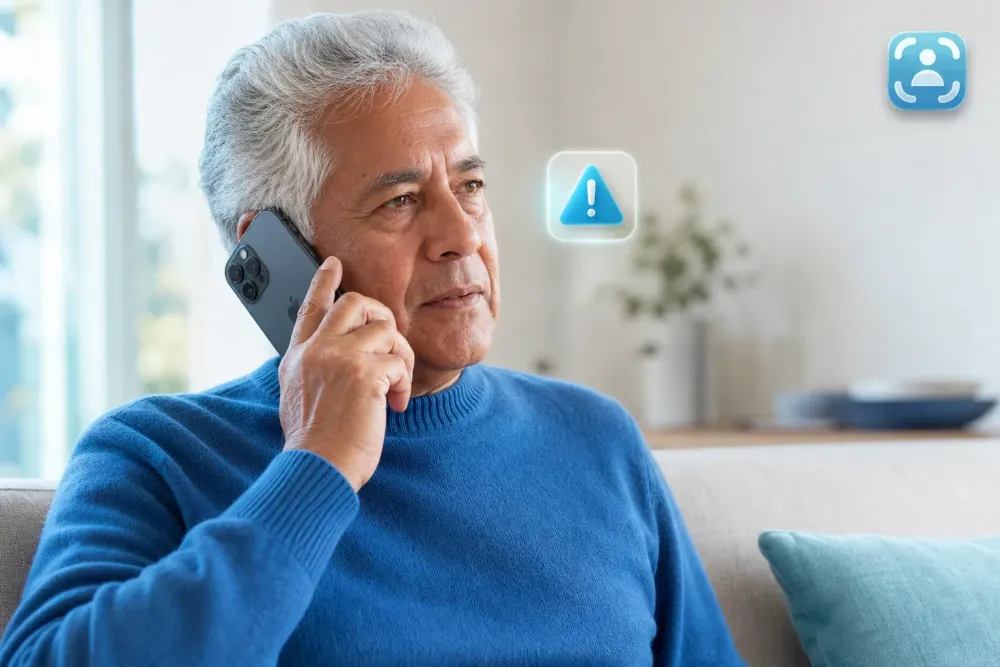
We reviewed documentation from 14 Israeli families who fell into the same trap: a phone call from a family member who sounded exactly like that family member, spoke like that family member, but wasn't that family member. The Cohen family (pseudonym) transferred 8,000 shekels to their "daughter" who was injured in an accident on Route 6. The voice was identical. The panic was real. The details were accurate. Only when dad walked into his daughter's room-where she was still asleep-did he realize he'd been talking to something that wasn't human.
Voice cloning technology isn't science fiction. It doesn't require dozens of minutes of recordings. 30 seconds from an Instagram video, a WhatsApp status, or a public Zoom call is enough to create a voice copy that will convince a parent, spouse, or grandparent. We examined how this works technically, who's running these scams in Israel, and what simple maneuvers will stop the fraud the moment your phone rings.
Photo: Pixabay
How AI Voice Cloning Actually Works
The technical process is simpler than most people think. Modern AI models learn to clone a voice in three stages: sample collection, model training, and fake audio generation.
Stage 1: Voice Sample Collection Scammers need 5 to 30 seconds of continuous speech from their target. That's a Facebook Live video where dad blesses the family, an Instagram story where mom talks about vacation, or a Zoom call recorded for internal purposes. If the voice is clean, without heavy background noise, and includes a variety of sounds (letters like "r," "sh," "t"), the model learns faster.
Stage 2: AI Model Training Tools like ElevenLabs, Descript, or Play.ht allow you to upload an audio file and train the model automatically. It takes between 10 minutes and two hours, depending on sample quality. The model learns voice tone, accent, rhythm, and even unique pronunciation patterns. No technical knowledge required-everything happens through a simple user interface.
Stage 3: Fake Audio Generation Once the model is trained, the user types text and the system converts it to cloned voice. You can control speech speed, emotion level, and insert pauses. The result sounds fairly natural, especially in a phone call where quality is lower.
Why Does This Work on Phone Calls? Phones compress voice and transmit only frequencies in the 300–3,400 Hz range, which masks some of the flawed quality of AI cloning. Add emotional pressure to that, and our brains don't pay attention to technical details. They're looking for content, not voice authenticity.
Total Execution Time: Two Hours or Less From the moment scammers have a suitable voice sample, they can generate a fake call in less than a working day. This doesn't require genius hackers, just attention and patience.
Who's Running These Scams in Israel and How They Reach Our Families
We reviewed documentation from the Israel National Cyber Directorate and spoke with private investigators tracking these scams. The typical perpetrator profile isn't a lone hacker but an organized call center, usually from Eastern European or Asian countries, with employees who speak Hebrew at a reasonable level or use real-time translation.
How Do They Collect Voice Samples?
- Facebook and Instagram: Public videos of families celebrating events. Accounts set to public allow direct video content downloads.
- Public Zoom Calls: Lectures, webinars, work calls recorded and uploaded to YouTube or content-sharing platforms.
- Customer Service Calls: In rarer cases, scammers illegally infiltrate service center systems.
- WhatsApp Statuses: Short videos shared with "all contacts."
The Israeli Nuance: Phrases That Sound Logical Scammers don't invent fantastic scenarios. They use familiar pressure situations with cultural legitimacy. "Dad, I'm stuck on Route 6 and my phone's dying, transfer 5,000 shekels" makes sense to Israeli families. "Mom, I got stopped at a checkpoint for a serious traffic violation, need immediate bail" also sounds credible, especially to older parents.
Early Statistics The Israel National Cyber Directorate reported a 340% increase in complaints about sophisticated phone scams in 2024–2025, with a significant portion identified as using AI technologies. This number doesn't distinguish between voice cloning and other scams, but the trend is clear.
7 Signs the Call Is Fake
AI voice cloning has technical limitations you can detect. Here are 7 warning signs indicating you're talking to a fake voice:
1. Immediate Pressure and Zero Time Flexibility "Dad, do this now, I don't have time to explain" is the most classic sign. AI or its operator needs to end the call quickly before unexpected questions get asked. If your family member won't allow even 30 seconds of "wait, I don't understand, explain again," there's a problem.
2. Sterile Background or Strangely Muted A real voice on the phone carries background noise: street traffic, talking in an ER waiting room, rustling clothes. AI generates voice that's too clean. If your "son's" phone is supposedly dying on the street, why is there zero car noise? Complete silence is a red flag.
3. Missing or Mechanical Breathing Patterns Humans breathe unevenly, especially under stress. Fast breathing, sighing, or pausing mid-sentence. AI can simulate breathing, but it sounds too precise, at a constant rhythm.
4. Errors in Family-Specific Word Stress Every family develops small patterns: someone always calls dad "daddy-o," someone else says "totally fine" with a certain accent. AI replicates what it heard in the sample, not what it learned over years.
5. Phone Number Change Mid-Call "Dad, my phone broke, call me back in five minutes at 050-XXX-XXXX." The goal is to move you to a number not saved in your contacts. If a family member asks you to call a different number, call their saved number first and verify.
6. Unfamiliar Speech Style, Too Formal or Too Simple "Hello dad, I'm sorry to bother you" isn't how a 20-year-old son starts an emergency call with his dad. If it doesn't sound like the person you know, even if the voice is right, it might be fake.
7. Mechanically Filled Filler Words Humans speak with "uh," "um," "like," "you know," and other words that fill time while thinking. AI still can't simulate this naturally.
If you identified 2 out of 7 of these signs, stop the call immediately.
What to Do When You Get a Suspicious Call – 4-Step Protocol
When you're in a suspicious call, time isn't your enemy-pressure is. We reviewed dozens of call recordings and developed 4 simple steps that work:
Step 1: Stop the Call, Don't Transfer Money
The first response is to say: "I understand this is urgent, but I need one moment. I'll call you back in a minute." Don't ask questions now, don't try to understand the whole picture. Just stop. AI needs to end the call quickly before unexpected questions get asked. If the other party is pressuring you, that's exactly the sign to stop.
Step 2: Call Your Relative's Saved Number
Don't call back the number that called you. Call the number saved in your phone. If your family member answers, clarify with them what's happening. If they don't answer, move to Step 3.
Step 3: Ask a Personal Question Only Your Relative Knows
Ask something only they can know-not generic questions but very specific ones:
- "What was the name of the dog we had in 2003?"
- "What was your 7th-grade English teacher's name?"
- "What song did we sing together on the way to auntie's last Saturday?"
AI can't make this up. If the answer is evasive or generic, hang up.
Step 4: Report to Police and the National Cyber Directorate
Report even if you didn't transfer money. Your documentation helps investigators identify patterns and stop additional waves. Go to the Israel National Cyber Directorate and file a report, or call 100 (Israel Police). Prepare these details:
- Caller's number (if it appears)
- Exact call time
- Call recording, if you activated recording (legal in Israel when you're a party to the call)
Call identification systems can help document calls from blocked numbers and provide reports accepted as evidence, making filing complaints easier.
How to Protect Your Family Long-Term
After understanding how to identify fraud in real-time, it's time to build defenses that prevent the problem before it arrives.
Set Up a Family Code
Choose a word or short phrase that only close family members know, and agree that any emergency call requesting money must include it. For example: "golden falafel" or "grandma sends blessings." Don't write this in WhatsApp, don't share it in an open family group.
Limit Voice Exposure on Social Media
Check your privacy settings on Facebook and Instagram: Are your videos public? If so, consider changing to "friends only" or "friends of friends." This reduces accessibility. If you're uploading a video where you're speaking, think: Is my voice necessary for the content, or can I cut it out?
Talk with Elderly Parents
The older generation is the primary target of these scams. Frame it like this: "There's new technology that lets scammers clone voices. If I call you asking for money, before you do anything, tell me: 'I'm calling you back in a moment.' This doesn't mean you don't trust me, it means you're being careful." Give a real example, don't make it a horror story.
Check Unknown Numbers Before Answering
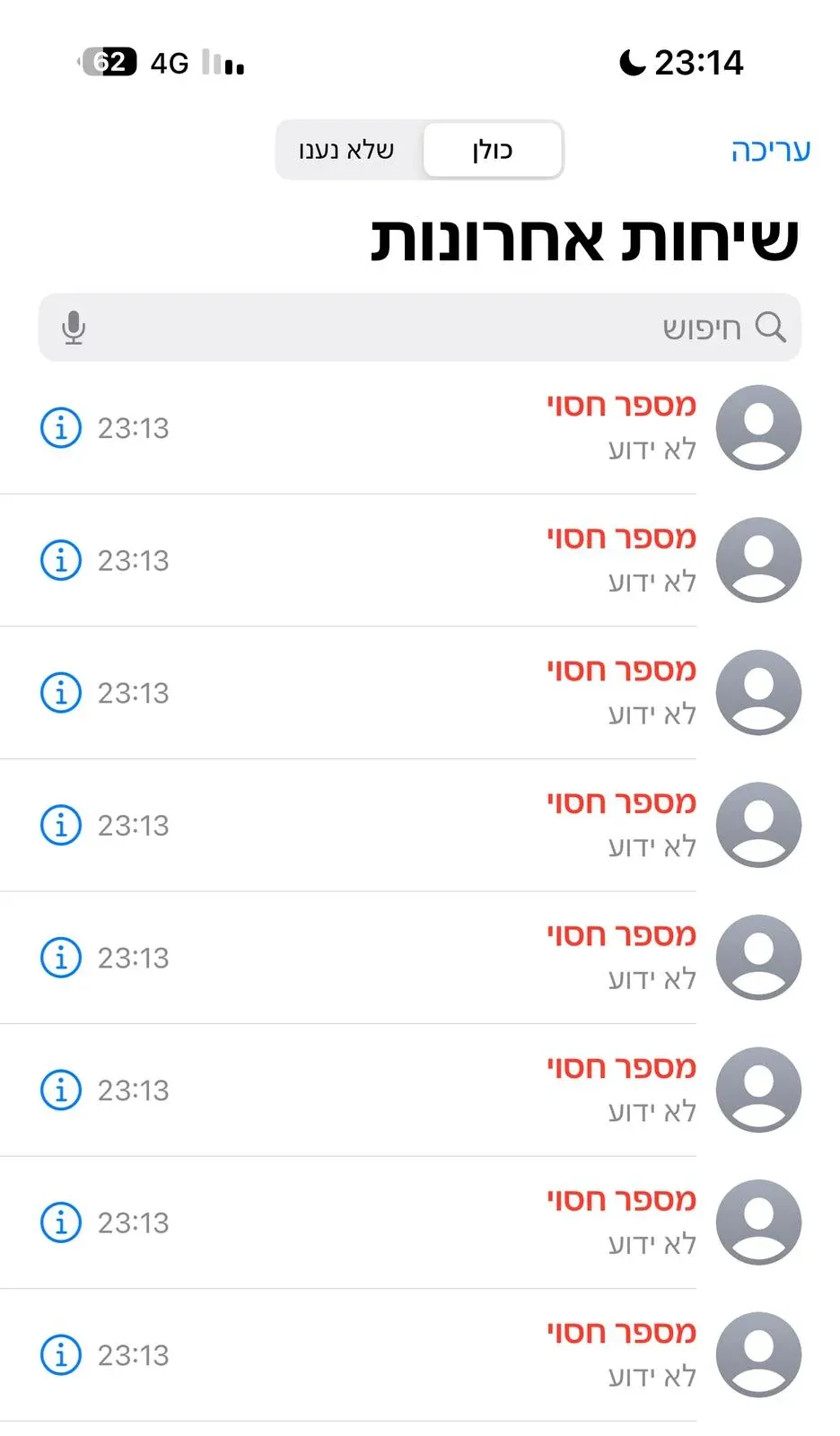
If someone calls from a number not saved in your contacts, especially from a blocked number, that's already an initial caution sign. Call identification systems like Traceback reveal the real number behind blocked calls, allowing you to see who's actually calling before you answer.
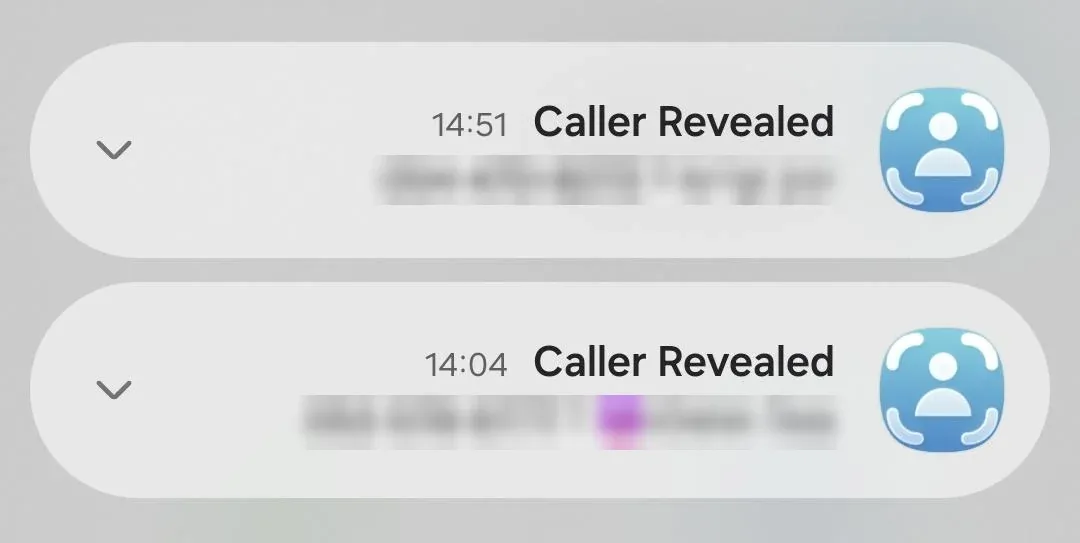
Traceback works with all major Israeli carriers and respects privacy. The system operates in coordination with law enforcement authorities.
Update Your "Trusted Contacts" Lists
Set up a list of contacts you're willing to answer without double-checking. If someone not on the list calls, that should already light a small red light in your head.
Quick Action Checklist: What to Do Now, This Week, and This Month
✅ Now
- Create a family code (word or phrase) and share it verbally with relatives
- Check privacy settings on Facebook and Instagram, hide videos with voice from unfamiliar friends
✅ This Week
- Talk with parents or grandparents about this type of scam, demonstrate an example without frightening
- Save backup emergency numbers for every family member (work number, close friend, trusted neighbor)
✅ Monthly
- Update the family code (like a password-changing every 3 months reduces risk)
- Check if there are new videos of you or children online that expose voice, and consider removal or access restriction
Frequently Asked Questions About Voice Cloning and Phone Scams
How long does it take AI to clone my voice?
Several minutes to two hours, depending on voice sample quality. 10 to 30 seconds of continuous speech is enough for advanced models. If the sample is clean, the process is faster.
If I don't post videos on social media, am I protected?
Not completely. Voice samples can come from public Zoom calls, broadcasts, even customer service recordings. But the risk is significantly lower if you're not active on social media with voice content.
What if the voice sounds 100% identical to my relative?
Stop immediately. Say: "I'll call you back in a minute" and use the 4-step protocol.
⚠️ Disclaimer: This article is general information only and does not constitute legal advice. For any specific legal situation, consult a qualified attorney. Traceback is not responsible for legal outcomes.