5 Phone Scams That Exploded in Israel in 2026 – And How to Spot Each One in 10 Seconds
From banks to utility companies: The quick guide that will save your savings in the moment of truth


5 Phone Scams That Exploded in Israel in 2026 – And How to Spot Each One in 10 Seconds
The second your phone rings, the screen displays "No Caller ID," and the first thought that crosses your mind: "Who is this now?" This is exactly the moment you're stuck in an impossible balance – maybe it's important, maybe it's another scammer. The reality: this phenomenon has exploded. The Israel Police reported a sharp increase in phone scam reports over the past year, and the fraudsters aren't just refining their methods – they're also adapting to Israel's 2026 reality. Banks have moved to automated bots, the National Insurance Institute sends vague SMS messages, and the electric company calls from numbers that change daily.
But there's a way to identify each of these scams in just 10 seconds. No more generic "be careful" guides – but unique identification signatures, signature moves that anyone can remember and apply the moment the phone rings. Here are the 5 dominant phone scams in Israel in 2026, how to spot them, and what to do instead.
Why 2026 Is the Peak Year for Phone Scams in Israel
The massive shift of official entities – banks, National Insurance Institute, electric company – to automated bots and outsourced call centers created a new problem: it's harder than ever to distinguish between a legitimate call and a fake one. You've probably already received a call from your bank where a bot reads you a message, or from the National Insurance Institute with a recorded voice – and it sounds identical to a real call.
Additionally, AI voice cloning technologies have advanced significantly. Scammers today can replicate the voice of an actual account manager or corporate representative, making you believe you're talking to someone you know. The proliferation of new scams – utility companies, natural gas, deliveries "that have already been sent three times" – has made this field widespread in Israel.
The elderly community remains particularly vulnerable. Children and friends of seniors must know the signature of every scam, because they'll be the ones who need to explain to grandma or grandpa what happened after they've already transferred money to a foreign account.
1. Bank or Credit Card Impersonation: "A Suspicious Transaction Was Blocked on Your Card"
Unique Signature
They start with immediate panic. "Did you make a transaction for 3,500 shekels?" or "We detected a foreign purchase on your card." The goal is to make you think there's an urgent problem. Then they ask for "confirmation within minutes" or to press a specific digit on the phone. They'll never suggest "call back in the morning" or "check the app." Sometimes they'll say "I'm transferring you to a security agent" – and an artificial transfer begins, complete with hold music and recorded voice.
10-Second Identification
- A legitimate bank will NEVER ask for PIN, CVV, or SMS password over the phone. If they ask – it's a scammer.
- A bank will say "call the hotline yourself at the number on the back of your card." Not "confirm now or the account will be blocked."
- Check the caller ID on your phone. If it says "No Caller ID" or a foreign number, hang up immediately.
What to Do Instead
Hang up. Don't press buttons, don't confirm anything. Call the official number from the bank's website or the back of your card. It will take 30 seconds to find out if there really was a suspicious transaction.
2. National Insurance Institute or Government Ministry Impersonation: "You Have a Refund You Forgot About"
Unique Signature
"You have a tax refund you didn't know about" or "A benefit that's due to you but your file was automatically blocked." They explain that you need to update details to transfer the money. Sometimes they'll say "The transfer of rights is done through our external credit company" – so you'll give credit card or bank account details.
10-Second Identification
- The National Insurance Institute doesn't cold-call about refunds. They send a registered letter or update in your personal account on the website. If you didn't receive a letter – it's a scam.
- They'll never ask for a bank account number in an unsolicited call.
- Ask them: "What's the name of my case manager?" A scammer won't know.
What to Do Instead
Hang up. Log into your personal account at the National Insurance Institute. If there's no update about a refund there – it was a scam. If you want to check by phone, call the official hotline, not the number the scammer gave.
3. Electric Company, Gas, or Infrastructure Impersonation: "You Have a Debt, We're Disconnecting in Two Hours"
Unique Signature
Immediate threat: "We've already disconnected twice, now this is the final disconnection." Sometimes they'll say "Would you like to switch to payment through an external company?" – and then transfer you. They also mention arrears – "three months you haven't paid" – even if you know the account is fine.
10-Second Identification
- The electric company warns with a registered letter or SMS before disconnection. Not by phone, not "within two hours."
- Ask "send me the debt details by SMS." A scammer will evade.
- Check the app or website. If the account is fine – it's a scam.
What to Do Instead
Hang up. Log into your account at the Electric Company or the app. If there's no debt – it was a scam. If you want to talk to someone, call the official hotline.
4. Romance or Fake Distress: "I'm a Family Member, I Got Into Trouble"
Unique Signature
They impersonate a grandchild: "Grandma, it's me – I was arrested" or "The car broke down, I need money urgently." Sometimes it's through WhatsApp: "I changed my number – send me the code you received by SMS." They create emotional pressure – "Don't tell Dad, it's secret" – so you won't verify.
10-Second Identification
- Ask a personal question that only the real relative can answer. "What's your dog's name?" A scammer won't know.
- Hang up and call their regular number from your contacts, not the new number the scammer gave.
- If the request is to transfer money or send an SMS code – it's a scam.
What to Do Instead
Hang up immediately. Call the relative at their saved number, or another family member. Don't send money or codes before you've spoken with the relative independently.
5. Digital Services Impersonation: "You Signed Up for a Subscription, Now We're Charging"
Unique Signature
"You signed up for a premium service – now the monthly charge of 49.90 shekels begins." If you want to cancel, you need to confirm credit card details or send an SMS. Sometimes they add "You agreed to the terms of service when visiting the website" – a vague claim designed to keep you on the line.
10-Second Identification
- Check your credit card billing statement. If the service they mention isn't there – it's a scam.
- Ask "send me the agreement by email." A scammer will refuse and say "no need, we only confirm by phone."
- Never give credit card details "to cancel."
What to Do Instead
Hang up. If you're really a customer of a service, call the official hotline from their website, not from the call. If the charge was already made, file a complaint with the Consumer Protection Authority or the police.
"What to Do Now" Checklist: 5 Steps That Protect You Before the Next Call
Install a caller ID app
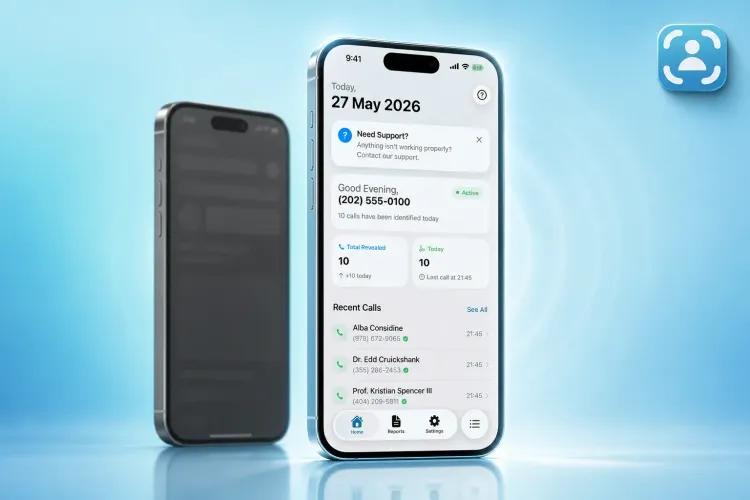
Traceback works with Partner, Cellcom, Pelephone, Hot Mobile, Golan, Rami Levi, 019, and 012 – identifies No Caller ID in 1.3 seconds. Cost: weekly subscription 14.90 shekels, monthly 29.90 shekels, annual 249.90 shekels (unlimited identifications, cancel anytime). 3-day free trial on some subscriptions.Explain identification signatures to elderly family members
Practice with them: "If someone asks for CVV or password on the phone, hang up and call me." Give them a printed list of official hotline numbers.Set a family code word
If someone calls as a "relative in trouble," they must say this word. If not – scammer.Enable automatic blocking on your cellular
Most carriers offer foreign number blocking. Request it from customer service.Report to the police
Even if you didn't fall for it, reporting helps build a database. File a complaint with the Consumer Protection Authority.
Frequently Asked Questions
Will a bank or the National Insurance Institute ever call without prior notice?
A bank can call about irregularities – but will only ask for yes/no confirmation on a transaction, never security details. The National Insurance Institute sends a registered letter or website update before calling.
What do you do if No Caller ID calls and you can't identify it?
Traceback reveals No Caller ID in 1.3 seconds (supports all Israeli networks). Alternative: hang up and ask the official entity to call again from a visible number.
Is it legal to record a call with a scammer?
In Israel it's legal to record a conversation you're a party to, without the other party's consent (as long as you don't publicly publish private information). Keep the recording as evidence.
How do you identify if a number is spoofed (fake caller ID)?
Scammers can display a fake number that looks like "Bank Hapoalim 03-1234567" – but if you call back, it doesn't answer. If in doubt, hang up and call the official number from the website.
What happens if I already gave credit card details to a scammer?
Call the credit card company immediately and ask to block the card. File a complaint and check the charges. If there are unauthorized charges, you can dispute them.
What's the difference between a phone scam and regular spam?
Spam is marketing calls (insurance, loans). A scam is impersonators trying to get you to transfer money or give security details. In both cases you should block, but scams require reporting to the police.
Does Traceback prevent scams?
Traceback doesn't directly prevent scams, but it identifies No Caller ID in 1.3 seconds – so you can know who's calling before you answer. It's a significant protection layer.
⚠️ Disclaimer: This article is general information only and does not constitute legal advice. For any specific legal situation, consult a qualified attorney. Traceback is not responsible for legal outcomes.